
Our attitudes were remarkably different.
Mine: reluctant and begrudging.
His: eager and anticipatory, as though he were suddenly ushered into an awesome party he’d just heard about.
I’m writing, of course, about Vlad’s first visit to the Apple Store, days after the 14 inches of snow that fell over New England.
I’ll never know how much of a factor the intense cold played, or whether it was merely coincidental, but on Sunday afternoon, during a biting winter walk, my iPhone took its last breath.
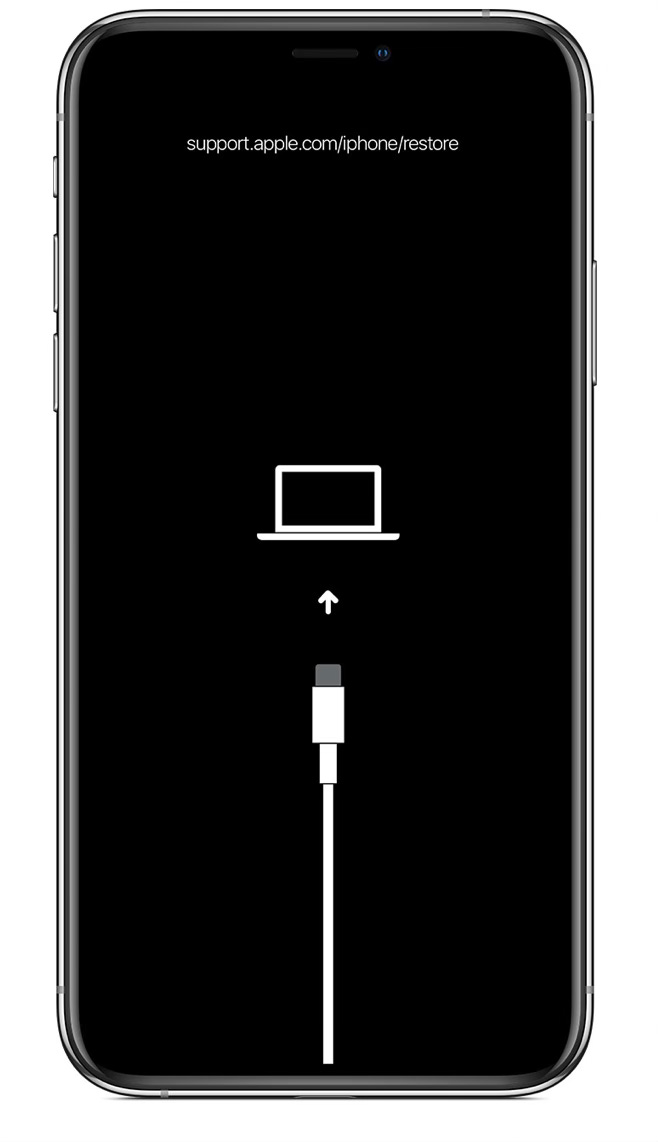
Rebooting in the warmth, it was stuck on the screen below, demanding a restoration that just wouldn’t happen.
Going through every possible rescue attempt with the AppleChat folks ended with me making a Genius Bar appointment for Monday — one that was canceled since the store was closed.
Tuesday, however, we made our way through the now-paved road, ready to confront my digital fate.
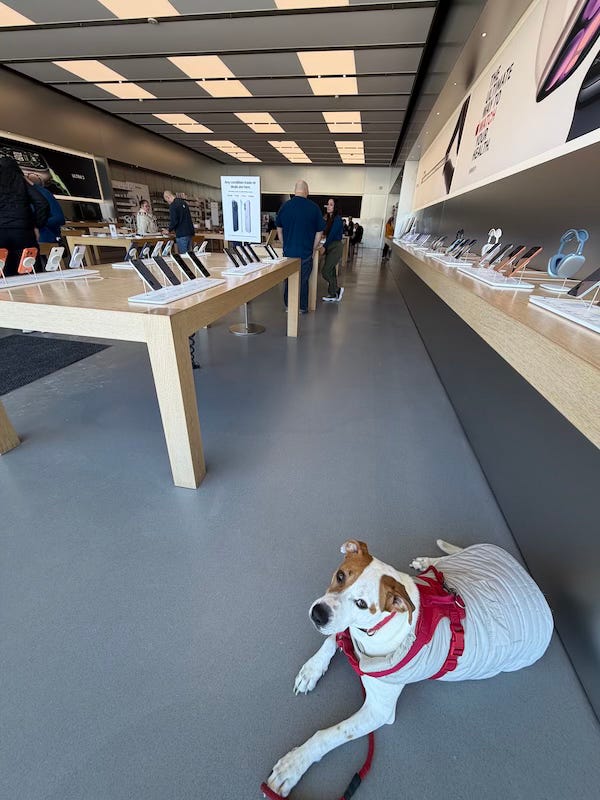
The Apple Store is notoriously dog-friendly.
In fact, our Genius told us that he’d seen not only dogs but also cats and birds being brought in, and that the last Apple Store manager often sported his pet iguana.
(Side Note: the woman seated next to us revealed that she used to work at a local casino, where one night a customer actually brought in a small support horse… but that’s another story.)
As stalwart as the staff was, however, there was no recovery for my iPhone 11 Pro, one I’ve held on to since 2019.
I find it amusing that being almost six years old puts it into a category that Apple labels “Vintage,” something that, in other realms — fashion, cars — usually means 25 years or more.
Clearly, it was time to move on … and yet …
I confess to a slight pride in NOT compulsively needing the latest gadgetry, the equivalent of putting WASPy patches on a favorite cashmere sweater and calling it a day.
Yet part of me, I realize, felt I didn’t have Permission — this month’s new theme; meditation HERE — to buy a new iPhone until my old one wore out.
It’s not lost on me that — since all next week we’re meeting with potential Chief Technology Officers for the wellness app — there’s a particular irony in my being six generations behind.
(In most other tech areas, however, Vlad and I are really cutting edge.)
It got me thinking about what it really means to have Permission, for as no less a figure than Jung said:
“The privilege of a lifetime is to become who you truly are.”
This month in the Transformation Book Club (you can join for only $5 a month HERE), I’ve selected Elizabeth Gilbert’s Big Magic which I’m reading for the first time.
One of my favorite quotes is:
“You do not need anybody’s permission
to live a creative life.”
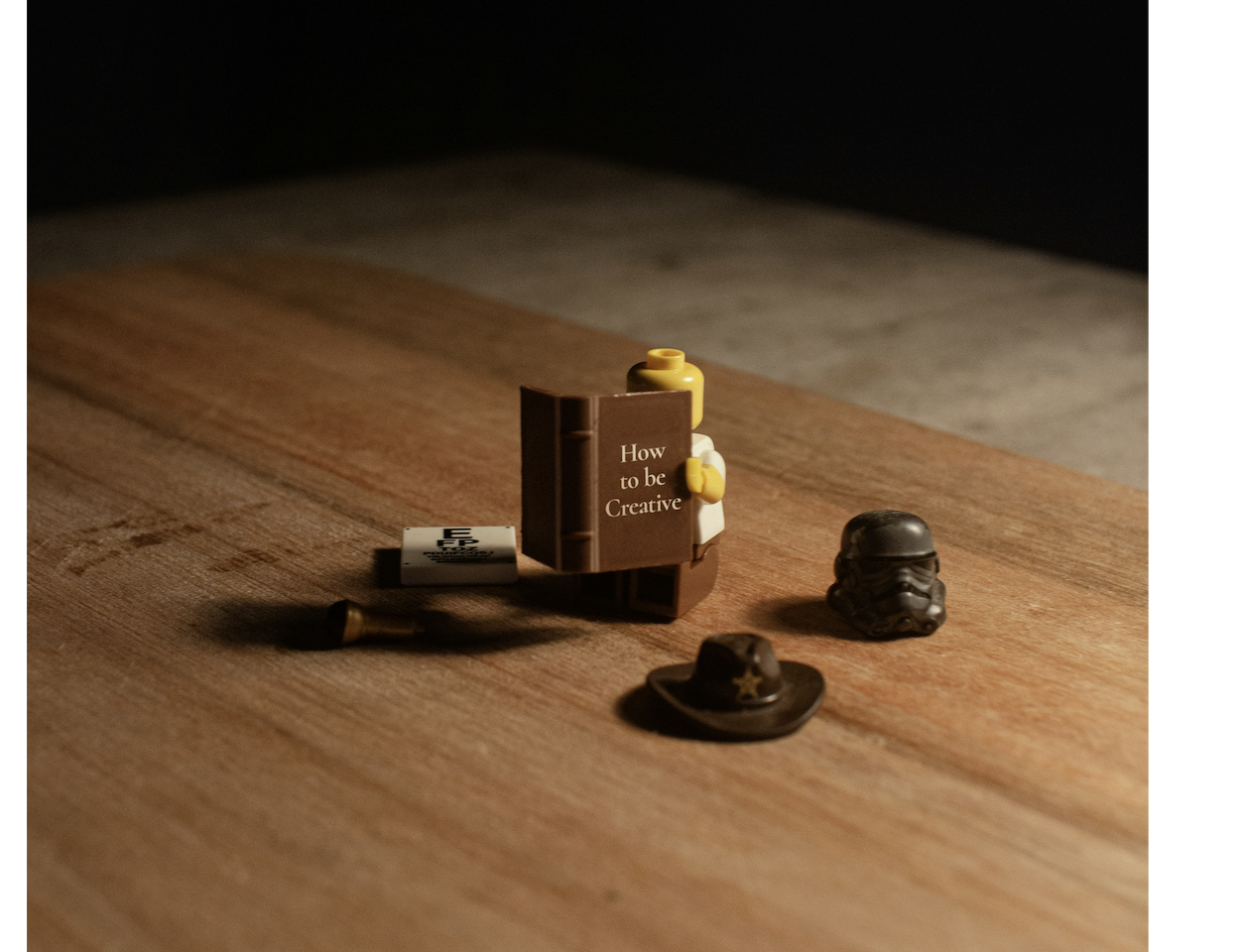
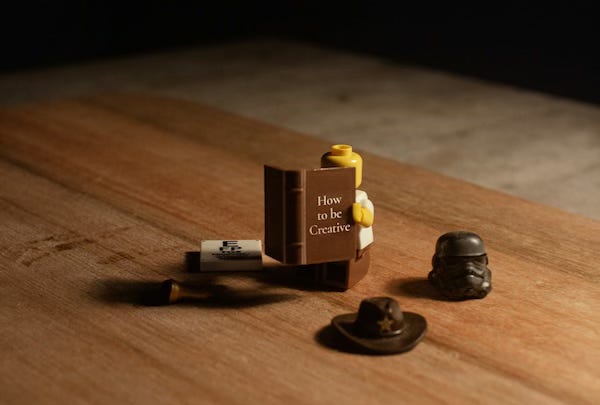
She’s quite clear that creativity isn’t something — unlike my iPhone upgrade — that you have to qualify for, earn, or in any way be approved to have.
You already have permission, simply by being alive.
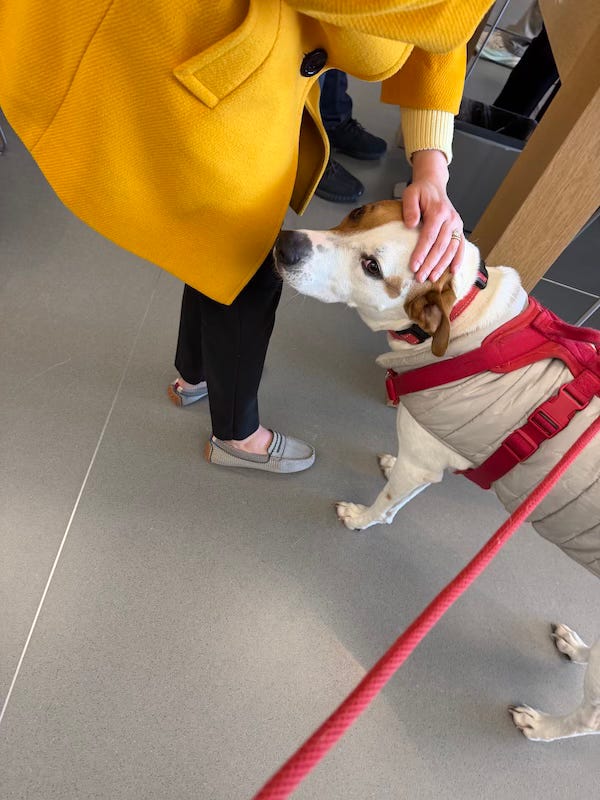
Vlad’s insistence on greeting each person at the Apple Store demonstrated another aspect of Permission.
He simply approached each person, assuming they wanted to pet him, easily accepting the rare rejection if they just weren’t interested.
He fully embodied rear admiral Grace Hopper’s most famous line:
“It’s easier to ask forgiveness than it is to get permission.”
Grace Hopper, by the way, was one of the most important figures in the history of computing—and a rare blend of mathematician, rebel, and Navy admiral, even recalled to duty in her 70s.
A pioneer of early tech — when the Apple Store was but a gleam in Steve Jobs’s eye — after she reached the age of mandatory retirement, the Navy kept issuing special waivers temporarily extending her duty… until 1986, that is, when she reached the age of 79 and officially concluded her service.
The Navy knew they needed her because no one else could do what she could, no one else could challenge the system and improve it as rapidly.
She knew that innovation often needs to move faster than bureaucracy will allow.
Like Vlad in the Apple Store, her innate sense of self-permission acted as a working philosophy, one with remarkable results.
This week in my new course, I shared how there are over 50 years of studies around placebo effects that demonstrate that belief and expectation directly regulate neurochemistry, pain perception, and physiological outcomes.
There’s a ton of hard science, in other words, that backs up the power of belief.
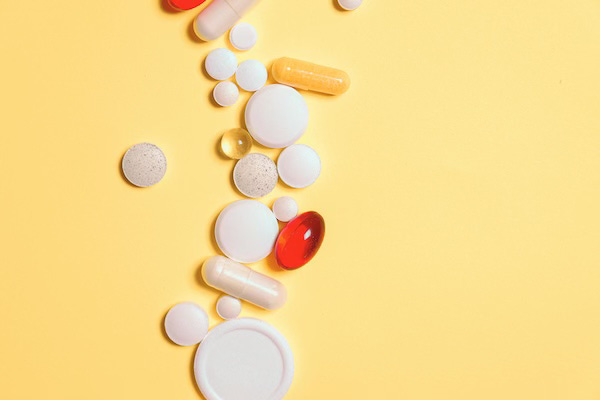
One I didn’t share was a recent open-label placebo study for chronic pain / IBS by Ted Kaptchuk (2010 / 2018).
Participants were given sugar pills and told, explicitly:
- “These pills contain no active medication.”
- “Placebos have been shown to trigger mind–body self-healing processes.”
- “Taking them regularly may help.”
There were no tricks, no lying involved, yet the findings were quite amazing.
Participants who knowingly took placebos:
- Reported significant symptom improvement
- Improved more than control groups
Again, this is despite full awareness that the pills were inert.
Once they were given the possibility that improvement was possible — even without medicine — their bodies responded.
The pills didn’t heal them; Permission did.
When I think about the power of giving oneself permission, one historical example leaps to the fore:
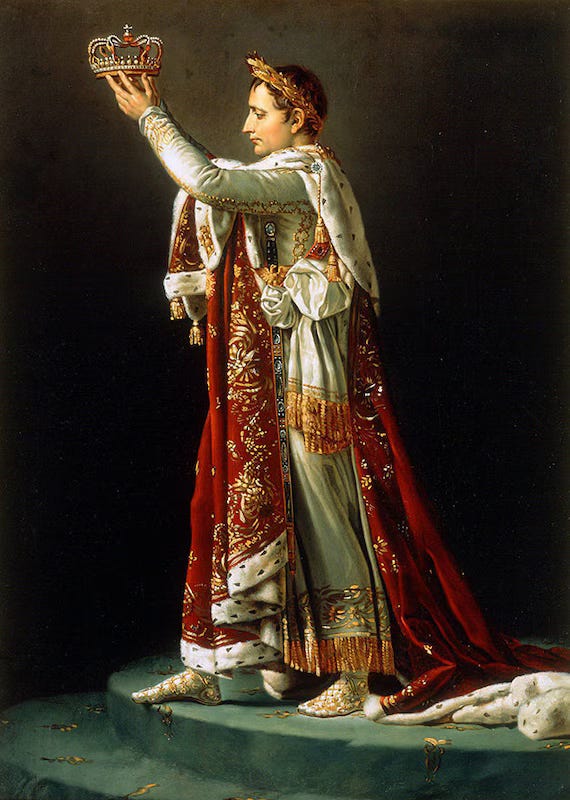
Napoleon crowning himself emperor, famously captured by Jacques-Louis David.
The popular version of that moment is that Napoleon snatched the crown out of the Pope’s hands and slammed it on his own head like a boss.
Instead, at Notre-Dame, Napoleon had already decided in advance that no pope would crown him.
As arranged with Pope Pius VII, during the ceremony, Napoleon took the crown and placed it on his own head.
Then he crowned Joséphine himself, the actual moment depicted in the painting.
A masterstroke of political theater, he respected religious legitimacy — the Pope is right there — but he rejected any subordination to other authority.
He positioned himself so strongly as the true source of sovereignty that to ask permission of anyone else would be not only unnecessary, it would be absurd.
I’m eager to explore the concept of Permission this month (again, new meditation HERE).
While some of the greats — Napoleon, Grace Hopper, and Vlad, for example — may have internalized their inherent sovereignty, most of us have not.
My great friend SARK (HERE) has often written about the power of permission slips to grant yourself the freedom to feel deeply or to take breaks or to be creative.
Indeed, as so many placebo studies show us, Permission alone can be enough to allow us to heal ourselves.
Whatever expansion we seek — whether it be in health, wealth, or relationships — the cosmic invitation is always available.
We just have to remember that we’re the ones who must send it.
Tell A New Story | Transform Your Life